
The Perfect Cup: Choosing the Right Mug for Every Drink
CUP
History of Crystal Cup
The history of the crystal cup traces back to ancient civilizations where crystal and other precious materials were highly valued for their beauty and symbolic significance. Crystal cups, often made from quartz or glass crystal, have been used throughout history for both practical and ceremonial purposes. In ancient Egypt, crystal was prized for its perceived magical and healing properties, and crystal vessels were sometimes used in religious rituals and as symbols of status and power. During the Renaissance, the art of crystal cutting and glassmaking advanced significantly in Europe, leading to the creation of intricate and finely crafted crystal cups that became symbols of luxury and refinement among the elite. Today, crystal cups are celebrated for their craftsmanship and aesthetic appeal, often used in special occasions and as cherished heirlooms. The rich history of crystal cups reflects their enduring appeal and significance across cultures and time periods.
Top of Form
What is Crystal Cup?
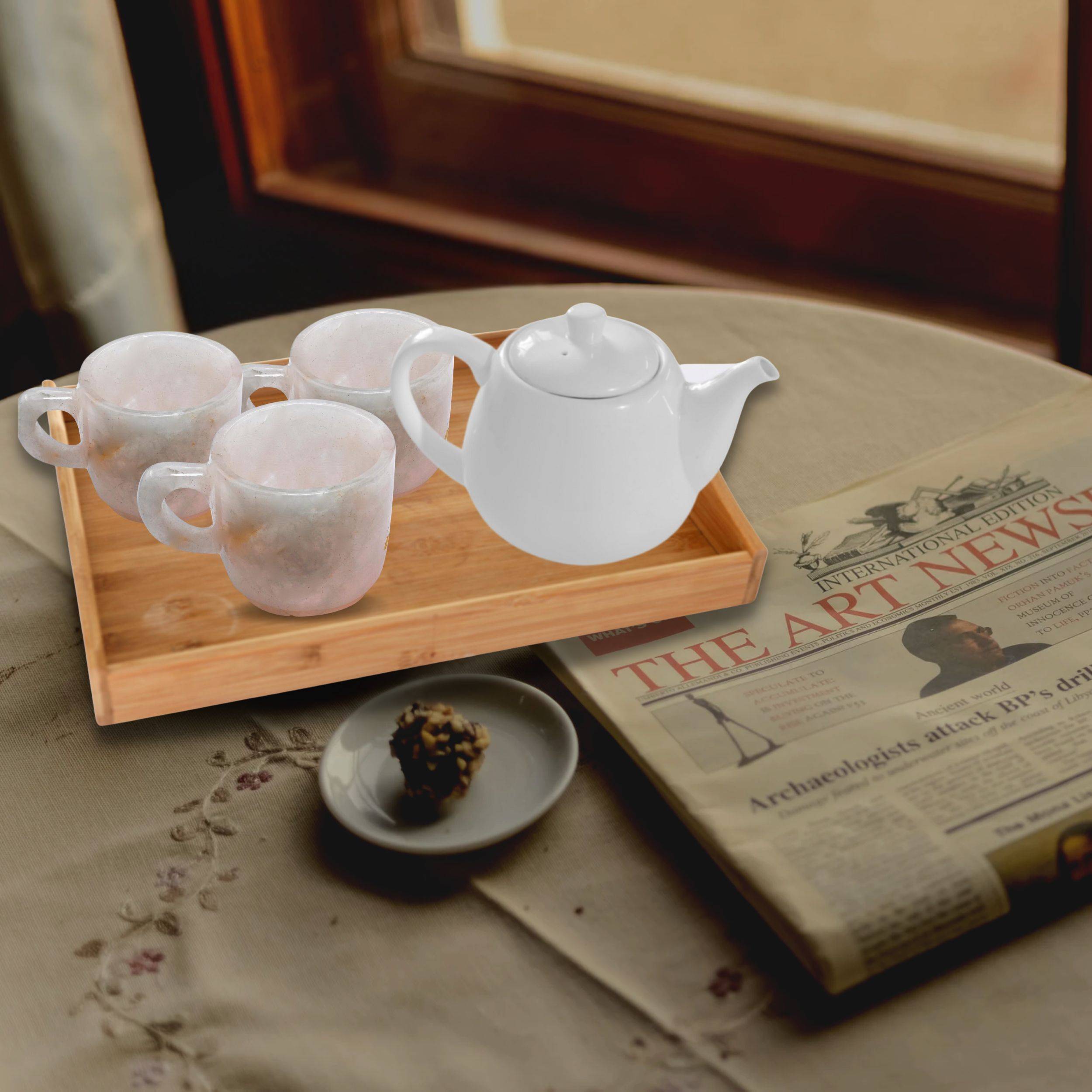 A crystal cup is a
decorative and functional drinking vessel crafted from crystal glass, renowned
for its clarity, brilliance, and elegant appearance. Typically made from
high-quality lead crystal or lead-free crystal glass, these cups are
characterized by their sparkling finish and intricate patterns that refract
light beautifully. The craftsmanship involved in creating a crystal cup often
includes detailed cutting or engraving, adding to its aesthetic appeal and
making each piece unique. Crystal cups are used for serving beverages,
particularly in formal or celebratory settings, such as weddings,
anniversaries, and other special occasions. They are prized not only for their
practical use but also for their luxurious and sophisticated look. Beyond their
use in dining, crystal cups are often collected as decorative items or
cherished heirlooms, symbolizing refinement and timeless elegance.
A crystal cup is a
decorative and functional drinking vessel crafted from crystal glass, renowned
for its clarity, brilliance, and elegant appearance. Typically made from
high-quality lead crystal or lead-free crystal glass, these cups are
characterized by their sparkling finish and intricate patterns that refract
light beautifully. The craftsmanship involved in creating a crystal cup often
includes detailed cutting or engraving, adding to its aesthetic appeal and
making each piece unique. Crystal cups are used for serving beverages,
particularly in formal or celebratory settings, such as weddings,
anniversaries, and other special occasions. They are prized not only for their
practical use but also for their luxurious and sophisticated look. Beyond their
use in dining, crystal cups are often collected as decorative items or
cherished heirlooms, symbolizing refinement and timeless elegance.
Where to Use Crystal Cup?
- Home Decor:
Display crystal cups as decorative items in cabinets
or on shelves to showcase their beauty and craftsmanship.
- Personal Use:
Enjoy the luxury of a crystal cup for everyday drinks at home, adding elegance
to your daily routine.
- Personal Collection:
Kept in personal collections as a display of taste and appreciation for fine
craftsmanship.
- Gifts:
Given as a luxury gift for important occasions or to someone who appreciates
fine glassware.
- Afternoon Tea:
Adds a touch of elegance to afternoon tea or coffee breaks, making everyday
moments feel special.
- Formal Dining: Crystal cups are often used in elegant settings,
such as formal dinners, to enhance the sophistication of the dining experience.
How to Use Crystal Cup?
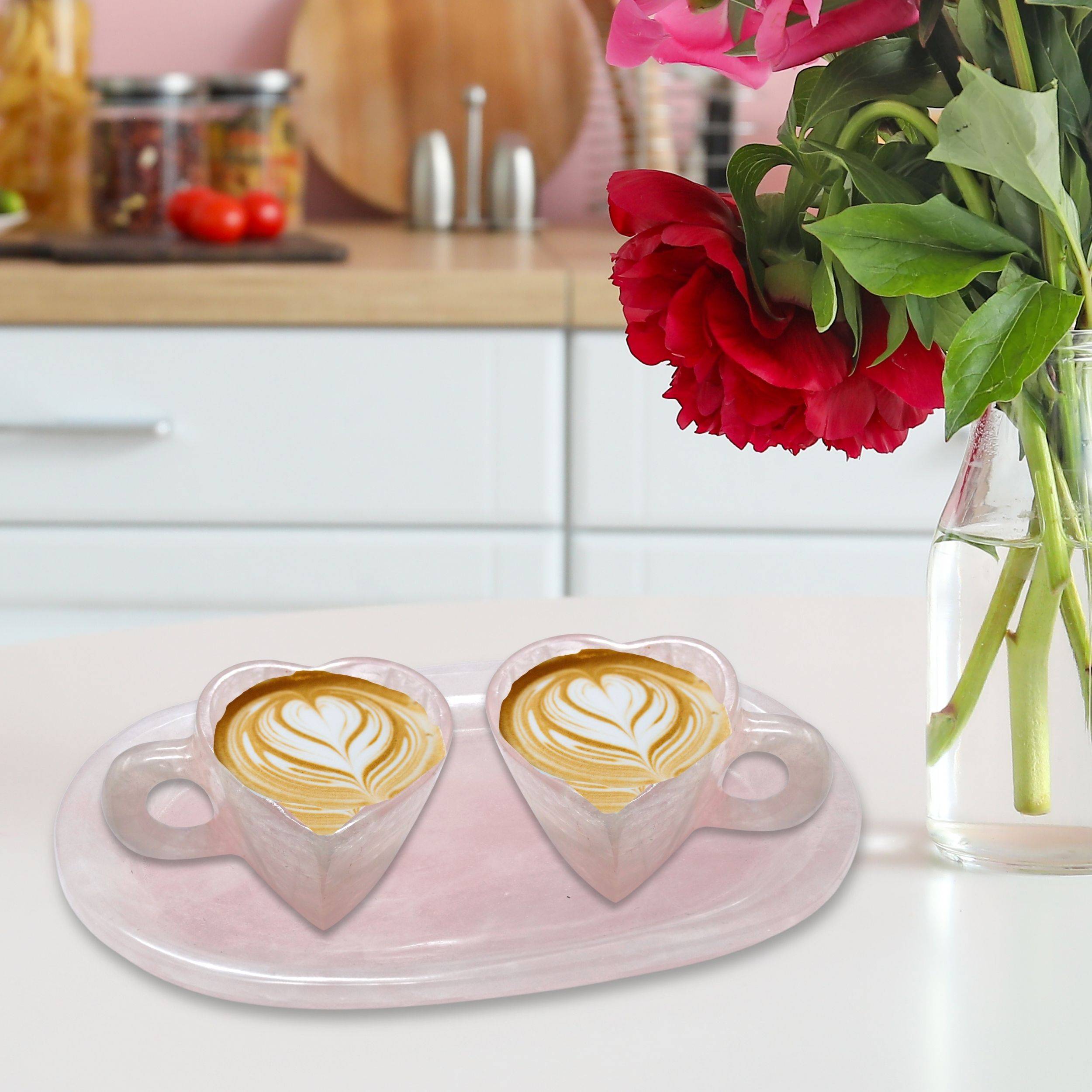 To use a crystal cup
effectively, first ensure it is properly cleaned and polished to highlight its
clarity and brilliance. Begin by choosing the appropriate beverage to serve,
keeping in mind that crystal cups are often used for special occasions or fine
dining, so select drinks that complement the occasion. Gently pour the beverage
into the cup, filling it to an appropriate level to avoid spillage and ensure a
balanced presentation. When using the cup, handle it with care, using the stem
or base to prevent smudging the bowl with fingerprints. For formal settings,
pair the crystal cup with matching glassware and table settings to enhance the
overall aesthetic. After use, wash the cup by hand with mild detergent and warm
water, avoiding abrasive materials or harsh chemicals to preserve its delicate
finish. Rinse thoroughly and dry with a soft, lint-free cloth to prevent water
spots and maintain its sparkling appearance. By following these steps, you can
enjoy the elegance and functionality of a crystal cup, making each use a
special and refined experience.
To use a crystal cup
effectively, first ensure it is properly cleaned and polished to highlight its
clarity and brilliance. Begin by choosing the appropriate beverage to serve,
keeping in mind that crystal cups are often used for special occasions or fine
dining, so select drinks that complement the occasion. Gently pour the beverage
into the cup, filling it to an appropriate level to avoid spillage and ensure a
balanced presentation. When using the cup, handle it with care, using the stem
or base to prevent smudging the bowl with fingerprints. For formal settings,
pair the crystal cup with matching glassware and table settings to enhance the
overall aesthetic. After use, wash the cup by hand with mild detergent and warm
water, avoiding abrasive materials or harsh chemicals to preserve its delicate
finish. Rinse thoroughly and dry with a soft, lint-free cloth to prevent water
spots and maintain its sparkling appearance. By following these steps, you can
enjoy the elegance and functionality of a crystal cup, making each use a
special and refined experience.
What Does a Crystal Cup Symbolize?
1. Celebration: Used primarily in special occasions and formal events, they symbolize the joy and festivity associated with significant life events such as weddings, anniversaries, and milestones.
2. Gratitude: Using or gifting a crystal cup can symbolize appreciation and gratitude, making it a meaningful choice for honoring someone.
3. Joy: Enhances the experience of celebrating personal milestones and shared happiness.
4. Healing: In metaphysical contexts, crystal is believed to have healing properties, symbolizing wellness.
5. Harmony: The way crystal refracts light symbolizes enlightenment, knowledge, and spiritual awakening.
How Does a Crystal Cup Work?
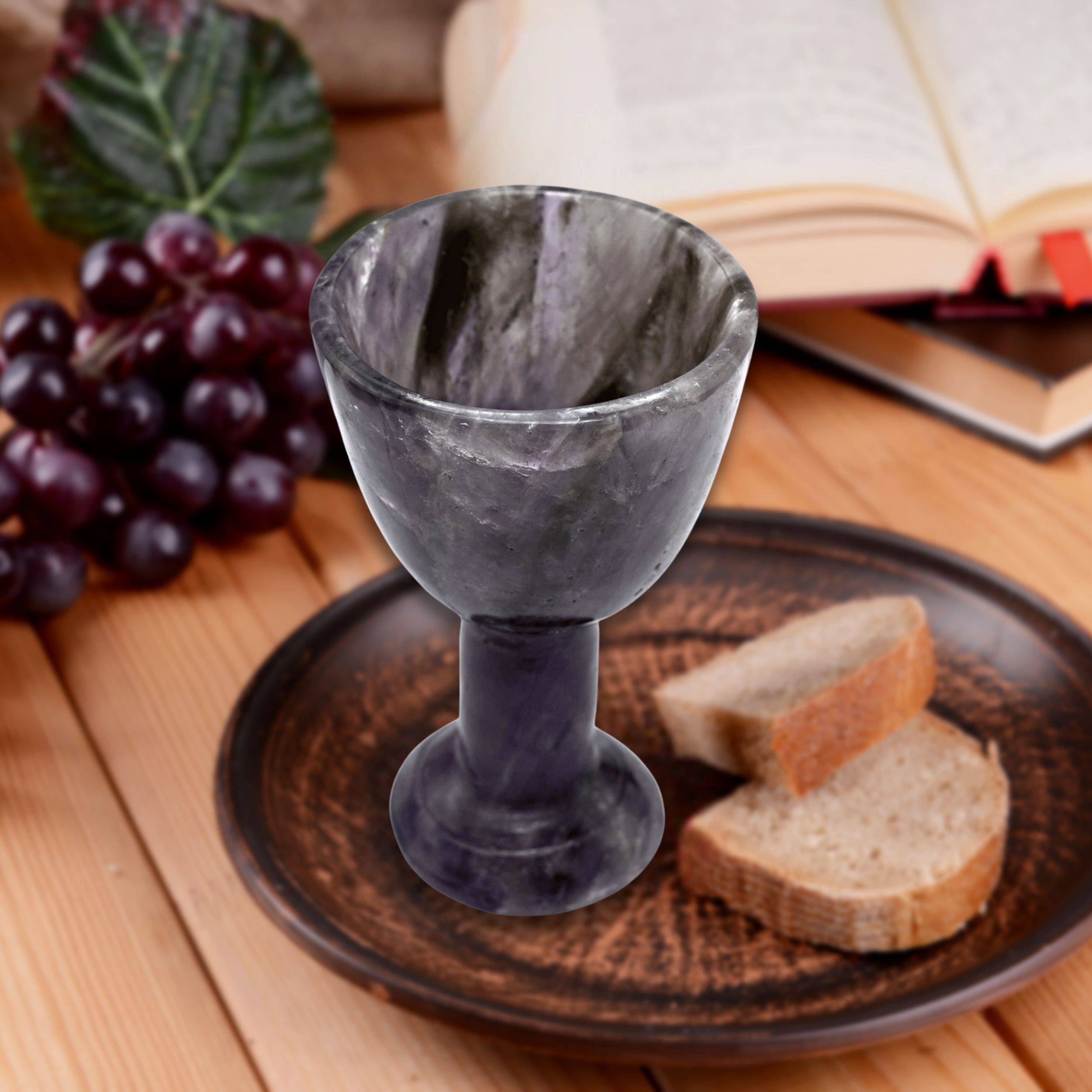 A crystal cup works not only as a functional drinking
vessel but also as an enhancer of the overall drinking experience. The crystal
material, known for its clarity and ability to refract light, elevates the
presentation of beverages by making them appear more vibrant and appealing.
When light passes through the crystal, it creates a sparkling effect that adds
a touch of elegance to any occasion. The smooth surface and fine craftsmanship
of a crystal cup also enhance the tactile experience, making it pleasurable to
hold and drink from. Additionally, the shape and design of the cup can
influence the aroma and taste of the beverage, as the contours of the crystal
are often crafted to enhance the flavors and bouquet of wines, spirits, or
other drinks. The combination of aesthetic beauty, sensory enhancement, and
functionality makes a crystal cup more than just a drinking vessel—it's a tool
that enriches the overall enjoyment of the beverage.
A crystal cup works not only as a functional drinking
vessel but also as an enhancer of the overall drinking experience. The crystal
material, known for its clarity and ability to refract light, elevates the
presentation of beverages by making them appear more vibrant and appealing.
When light passes through the crystal, it creates a sparkling effect that adds
a touch of elegance to any occasion. The smooth surface and fine craftsmanship
of a crystal cup also enhance the tactile experience, making it pleasurable to
hold and drink from. Additionally, the shape and design of the cup can
influence the aroma and taste of the beverage, as the contours of the crystal
are often crafted to enhance the flavors and bouquet of wines, spirits, or
other drinks. The combination of aesthetic beauty, sensory enhancement, and
functionality makes a crystal cup more than just a drinking vessel—it's a tool
that enriches the overall enjoyment of the beverage.
How to Spot Real and Fake Crystal Cup?
Spotting a real versus a fake crystal cup requires attention to several key details. Real crystal is known for its weight, clarity, and brilliance. When holding a genuine crystal cup, you'll notice it feels heavier than regular glass due to its higher lead content or the density of the material used. Authentic crystal also produces a distinctive, resonant sound when tapped lightly, often described as a clear, musical ring. The edges of a real crystal cup are typically smooth and finely finished, reflecting the high level of craftsmanship. In contrast, a fake crystal cup might feel lighter, lack the same brilliance, and produce a duller sound when tapped. Visually, genuine crystal refracts light in a way that creates a rainbow-like effect, adding to its allure, while counterfeit versions may appear cloudier and lack this light play. Additionally, inspecting the cup for any imperfections or bubbles can be telling; real crystal usually has fewer imperfections due to the meticulous manufacturing process. By paying attention to these factors—weight, sound, clarity, and craftsmanship—you can effectively distinguish between a real and a fake crystal cup.
How to Care the Crystal Cup?
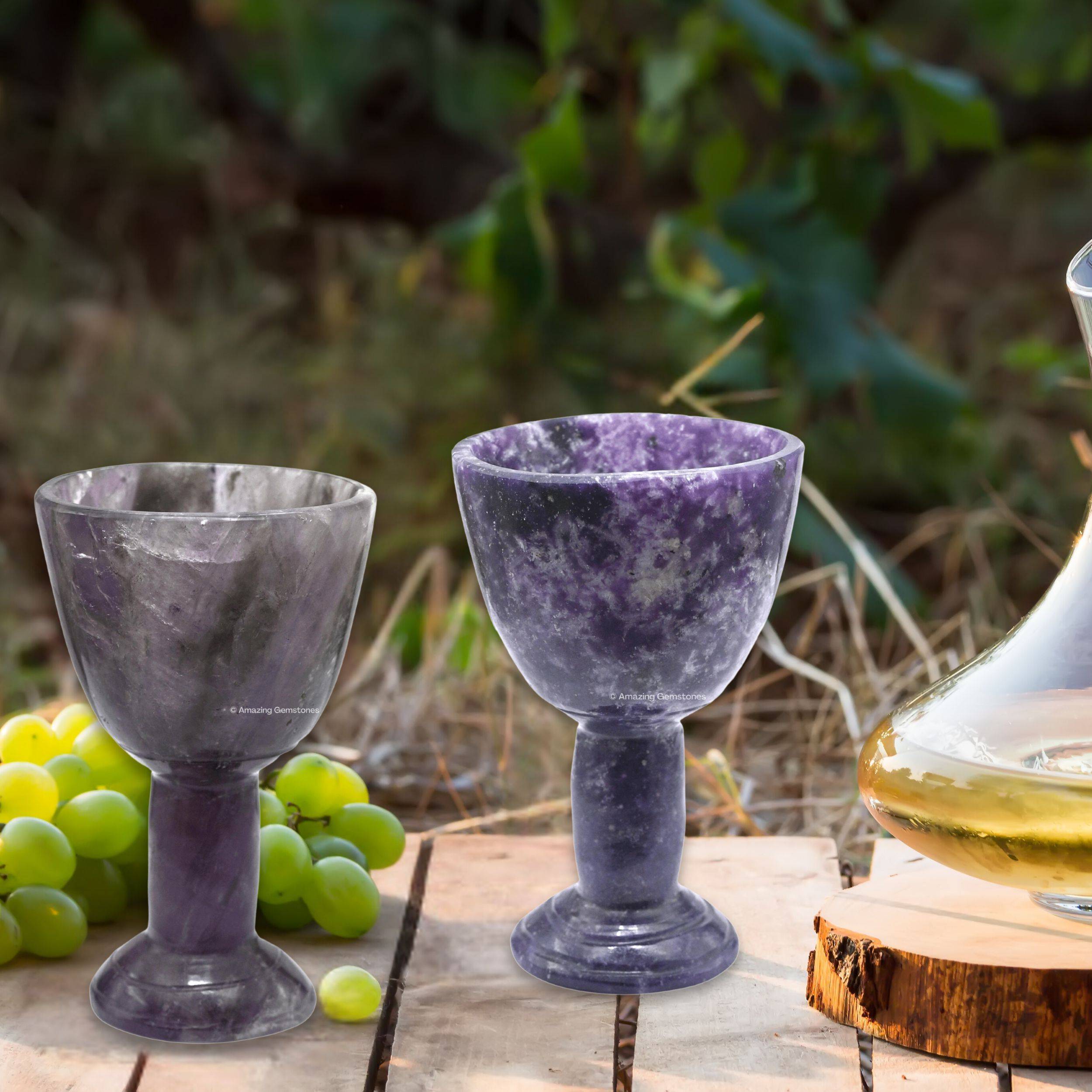 Caring for a crystal cup involves gentle handling and
proper cleaning to maintain its brilliance and longevity. Always wash your
crystal cup by hand using warm water and a mild, non-abrasive detergent. Avoid
using harsh chemicals or abrasive scrubbers that could scratch or damage the
crystal surface. It's best to use a soft sponge or cloth to clean the cup, and
rinse it thoroughly with warm water to remove any soap residue. After washing,
dry the crystal cup immediately with a soft, lint-free cloth to prevent water
spots and maintain its shine.
Caring for a crystal cup involves gentle handling and
proper cleaning to maintain its brilliance and longevity. Always wash your
crystal cup by hand using warm water and a mild, non-abrasive detergent. Avoid
using harsh chemicals or abrasive scrubbers that could scratch or damage the
crystal surface. It's best to use a soft sponge or cloth to clean the cup, and
rinse it thoroughly with warm water to remove any soap residue. After washing,
dry the crystal cup immediately with a soft, lint-free cloth to prevent water
spots and maintain its shine.
When storing crystal cups, keep them in a safe, padded area to avoid accidental chips or cracks. It's advisable to store them upright and avoid stacking them, as this can lead to damage. If you must stack them, place a soft cloth or paper towel between each cup to provide cushioning. Additionally, avoid exposing your crystal cups to extreme temperature changes, as this can cause the crystal to crack or become damaged. By following these simple care instructions, you can preserve the beauty and clarity of your crystal cups for years to come.
"Cups and mugs combine style and function, perfect for enjoying coffee, tea, or any beverage. Enhance your sipping experience with unique designs."