
The History and Magic of Dowsing Rods Explained
DOWSING ROD
History of Dowsing Rod
The history of the dowsing rod, also known as a divining rod, dates back to ancient times, with evidence of its use found in various cultures around the world. The practice of dowsing is believed to have originated in Europe, particularly in Germany, where it was initially used to locate water sources. The term "dowsing" itself is thought to have derived from the German word "Tauchen," meaning "to dive." During the Middle Ages, dowsing gained popularity among miners seeking valuable minerals and metals, and it was often associated with folk healing and magical practices. By the 16th and 17th centuries, dowsing rods were being used in England and other parts of Europe for various purposes, including finding treasures and detecting disease. The tools typically consist of a forked stick, often made from willow or hazel, or a pair of metal rods, which practitioners believe can sense vibrations or energies emitted by the earth. Despite skepticism from the scientific community regarding its efficacy, dowsing continues to be practiced today by those who seek to connect with natural energies and enhance their intuition.
Top of Form
What is Dowsing Rod?
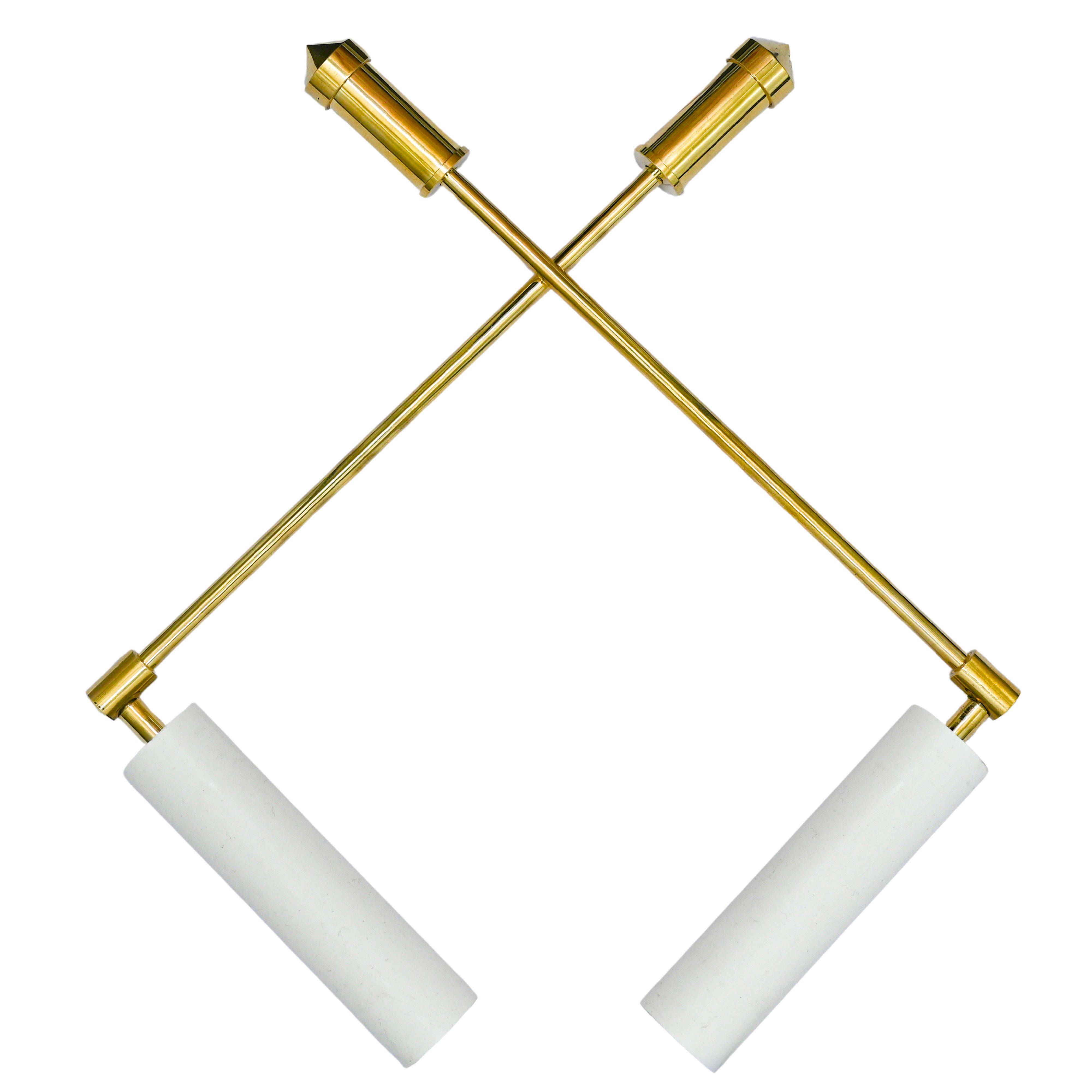 A dowsing rod, also
known as a divining rod, is a tool used in the practice of dowsing, which
involves locating hidden resources such as water, minerals, or even energy
fields. Traditionally, dowsing rods are Y-shaped or L-shaped sticks, often made
from materials like wood, metal, or plastic. Practitioners hold the rods
loosely and walk over the area where they believe the desired resource may be
located. As they move, the rods are said to react by crossing, diverging, or
moving in certain directions, indicating the presence of the sought-after
resource. Dowsing has roots in ancient practices and has been used by various
cultures throughout history, from ancient Egypt to medieval Europe. While some
people believe in its efficacy, many in the scientific community remain
skeptical, attributing any perceived success to the ideomotor effect, where
involuntary movements influence the rods’ behavior. Despite the debate
surrounding its effectiveness, dowsing remains a popular tool for those seeking
to connect with the environment and explore the unseen forces at play in
nature.
A dowsing rod, also
known as a divining rod, is a tool used in the practice of dowsing, which
involves locating hidden resources such as water, minerals, or even energy
fields. Traditionally, dowsing rods are Y-shaped or L-shaped sticks, often made
from materials like wood, metal, or plastic. Practitioners hold the rods
loosely and walk over the area where they believe the desired resource may be
located. As they move, the rods are said to react by crossing, diverging, or
moving in certain directions, indicating the presence of the sought-after
resource. Dowsing has roots in ancient practices and has been used by various
cultures throughout history, from ancient Egypt to medieval Europe. While some
people believe in its efficacy, many in the scientific community remain
skeptical, attributing any perceived success to the ideomotor effect, where
involuntary movements influence the rods’ behavior. Despite the debate
surrounding its effectiveness, dowsing remains a popular tool for those seeking
to connect with the environment and explore the unseen forces at play in
nature.
Where to Use Dowsing Rod?
- Water Dowsing:
Traditionally, dowsing rods are most commonly used to find underground water
sources. Practitioners walk over a potential area with rods to detect the
presence of water.
- Locating Minerals:
Dowsers may use rods to search for specific minerals or gemstones in the
ground, often in mining or geological exploration.
- House Clearing:
Dowsing can be used in homes to identify negative energy, geopathic stress
lines, or unwanted entities, helping to create a more harmonious living space.
- Feng Shui Practices:
Dowsing can aid in determining the most auspicious placements of furniture or
elements in a space according to feng shui principles.
- Natural Healing:
Practitioners may use dowsing to find the best spots for healing plants or
crystals, aligning them with natural energies.
- Guidance: Some individuals use dowsing rods for personal
decision-making or guidance, asking yes or no questions to receive insights
into their lives.
How to Use Dowsing Rod?
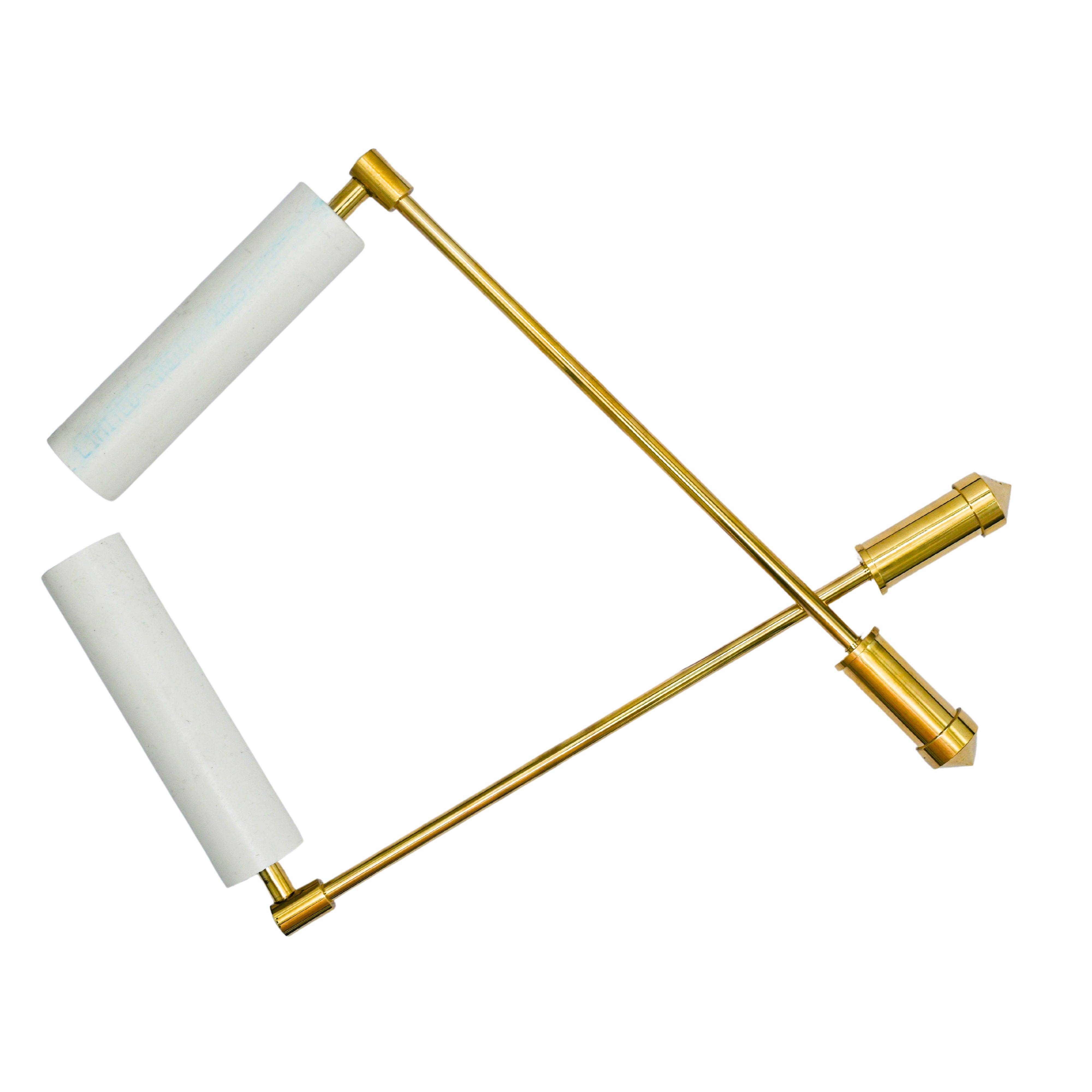 Using dowsing rods is a
straightforward process that involves a combination of focus, intention, and
sensitivity to subtle movements. Begin by holding a pair of dowsing rods, which
are typically L-shaped and made of metal or other conductive materials. Stand
in a comfortable position with the rods parallel to your body, holding them
lightly with your palms facing upwards. Clear your mind and set a specific
intention or question regarding what you wish to find, whether it’s water,
energy lines, or answers to personal inquiries. Slowly walk in the direction
you feel drawn to, allowing the rods to move naturally. Pay attention to how
they respond; if they cross, it typically indicates a positive signal or the
presence of what you’re searching for, while if they move away from each other,
it may signal a negative response. Trust your instincts and be aware of your
surroundings, as dowsing is as much about intuition as it is about the physical
movement of the rods. Practice regularly to develop your skills and deepen your
connection to the dowsing process.
Using dowsing rods is a
straightforward process that involves a combination of focus, intention, and
sensitivity to subtle movements. Begin by holding a pair of dowsing rods, which
are typically L-shaped and made of metal or other conductive materials. Stand
in a comfortable position with the rods parallel to your body, holding them
lightly with your palms facing upwards. Clear your mind and set a specific
intention or question regarding what you wish to find, whether it’s water,
energy lines, or answers to personal inquiries. Slowly walk in the direction
you feel drawn to, allowing the rods to move naturally. Pay attention to how
they respond; if they cross, it typically indicates a positive signal or the
presence of what you’re searching for, while if they move away from each other,
it may signal a negative response. Trust your instincts and be aware of your
surroundings, as dowsing is as much about intuition as it is about the physical
movement of the rods. Practice regularly to develop your skills and deepen your
connection to the dowsing process.
What Does a Dowsing Rod Symbolize?
1. Resource Location: Traditionally associated with finding water, minerals, and other natural resources, embodying practical exploration.
2. Guidance: Serves as a guide for decision-making and navigating life’s uncertainties.
3. Divination: Dowsing is a form of divination, representing the search for hidden truths and answers beyond the physical realm.
4. Manifestation: Symbolizes the power to bring intentions and desires into reality through focused energy.
5. Resource Locating: Traditionally used for finding water, minerals, and other natural resources, reflecting human dependence on nature.
How Does a Dowsing Rod Work?
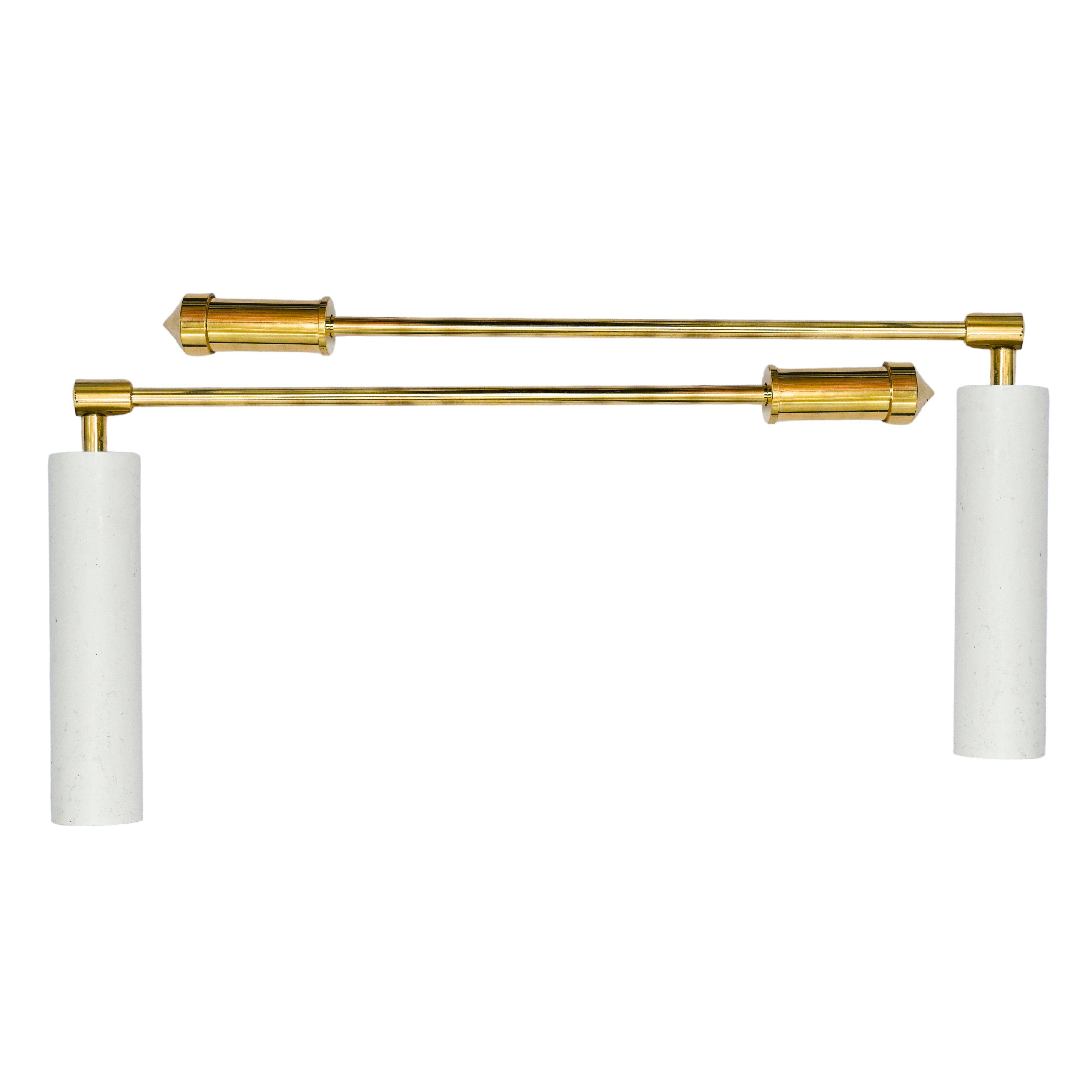 A dowsing rod works by tapping into the subtle
energies and vibrations of the environment to locate underground water,
minerals, or other resources. When held by a dowser, the rod is often made of
materials like wood, metal, or copper, and it typically consists of a Y-shaped
or L-shaped design. As the dowser walks over a potential site, the rod responds
to unseen energy fields or disturbances in the earth, causing it to move or
pivot. This movement is thought to be influenced by the dowser's subconscious mind,
which picks up on the energetic signals present in the area. The effectiveness
of a dowsing rod is often attributed to the dowser's intuition and sensitivity
to these energies, allowing them to interpret the rod's movements as indicators
of the location of the desired resource. While some view dowsing as a mystical
practice, others believe it relies on the dowser's heightened awareness of
environmental cues.
A dowsing rod works by tapping into the subtle
energies and vibrations of the environment to locate underground water,
minerals, or other resources. When held by a dowser, the rod is often made of
materials like wood, metal, or copper, and it typically consists of a Y-shaped
or L-shaped design. As the dowser walks over a potential site, the rod responds
to unseen energy fields or disturbances in the earth, causing it to move or
pivot. This movement is thought to be influenced by the dowser's subconscious mind,
which picks up on the energetic signals present in the area. The effectiveness
of a dowsing rod is often attributed to the dowser's intuition and sensitivity
to these energies, allowing them to interpret the rod's movements as indicators
of the location of the desired resource. While some view dowsing as a mystical
practice, others believe it relies on the dowser's heightened awareness of
environmental cues.
How to Spot Real and Fake Dowsing Rod?
To spot a real dowsing rod versus a fake one, it's essential to consider the materials, craftsmanship, and overall energy it conveys. Authentic dowsing rods are typically made from natural materials like wood, copper, or brass, which are believed to enhance the sensitivity of the tool. Inspect the rod for quality craftsmanship; a genuine rod will have a well-crafted design with smooth edges and a comfortable grip. Additionally, consider the weight and balance of the rod; a true dowsing rod should feel sturdy yet lightweight, allowing for ease of movement. It's also beneficial to assess the energy of the rod; when held, a genuine dowsing rod often elicits a sense of connection or responsiveness, while a fake one may feel inert or unresponsive. Lastly, personal experience plays a role; a real dowsing rod should resonate with your intuition, so trust your instincts when evaluating the tool.
How to Care the Dowsing Rod?
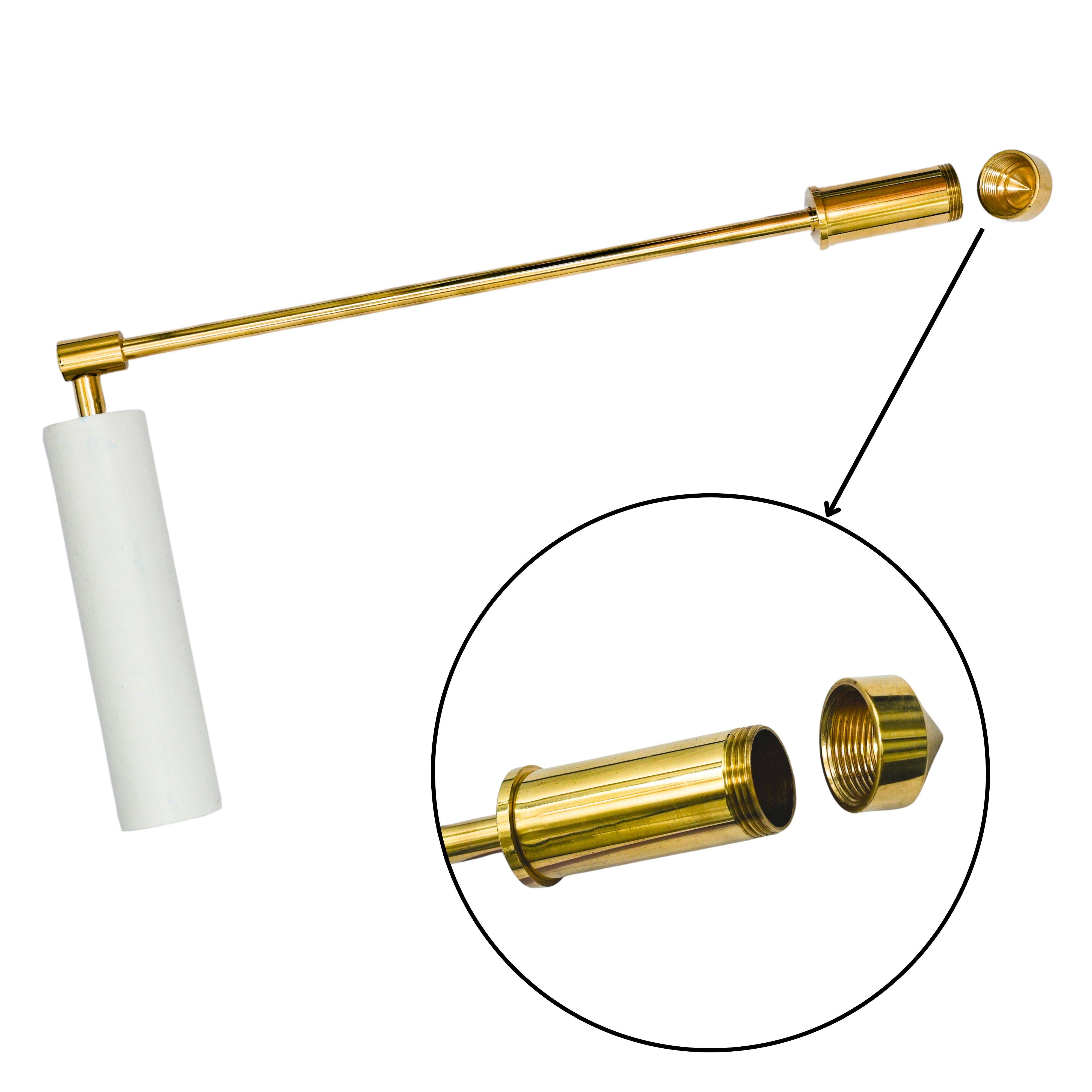 Caring for a dowsing rod involves proper handling,
cleaning, and storage to ensure its effectiveness and longevity. First, always
handle the rod gently to avoid bending or damaging it, especially if it's made
from delicate materials like copper or wood. After each use, wipe the rod with
a soft, dry cloth to remove any dirt or energy residues. If it gets
particularly dirty, you can use a damp cloth, but ensure it is completely dry
before storing it. Store the dowsing rod in a protective case or a soft pouch to
prevent scratches and avoid exposure to extreme temperatures or direct
sunlight, which can alter the material's properties. Regularly cleanse the rod
energetically by smudging it with sage or placing it on a piece of selenite or
quartz to reset its energy. By following these care tips, you can maintain the
integrity and effectiveness of your dowsing rod for many years.
Caring for a dowsing rod involves proper handling,
cleaning, and storage to ensure its effectiveness and longevity. First, always
handle the rod gently to avoid bending or damaging it, especially if it's made
from delicate materials like copper or wood. After each use, wipe the rod with
a soft, dry cloth to remove any dirt or energy residues. If it gets
particularly dirty, you can use a damp cloth, but ensure it is completely dry
before storing it. Store the dowsing rod in a protective case or a soft pouch to
prevent scratches and avoid exposure to extreme temperatures or direct
sunlight, which can alter the material's properties. Regularly cleanse the rod
energetically by smudging it with sage or placing it on a piece of selenite or
quartz to reset its energy. By following these care tips, you can maintain the
integrity and effectiveness of your dowsing rod for many years.
"Dowsing rods are tools for energy work and divination, helping locate water, balance energy, and boost intuition. Ideal for both beginners and seasoned practitioners."