
Shark Tooth Amulets: Ancient Protection and Modern Trends
SHARK TOOTH
Introduction History of Shark Tooth
The history of shark teeth is as fascinating as it is ancient. These iconic symbols of the ocean's apex predators have a storied past that stretches back millions of years. From their evolutionary origins to their cultural significance, shark teeth hold a unique place in both natural history and human culture. Shark teeth, known scientifically as "dentition," are among the most enduring parts of these formidable creatures. Unlike the bones of sharks, which are made of cartilage and rarely fossilize, teeth are composed of enamel, making them more likely to be preserved in the fossil record. This durability has allowed scientists to study the evolution and behavior of sharks over vast stretches of time.
What is Shark Tooth?
 A shark tooth is simply the tooth of a shark. Sharks have multiple rows of teeth,
and they continuously shed and replace them throughout their lives. These teeth
are typically sharp, triangular, and serrated, designed for catching and eating
prey. Shark teeth are made of a hard material called enamel, similar to human
teeth, which makes them durable and often well-preserved in the fossil record.
They come in various shapes and sizes depending on the species of shark and its
diet. Shark teeth are not only important for the survival of sharks but also
hold significance in various cultures and are of interest to collectors and
scientists alike.
A shark tooth is simply the tooth of a shark. Sharks have multiple rows of teeth,
and they continuously shed and replace them throughout their lives. These teeth
are typically sharp, triangular, and serrated, designed for catching and eating
prey. Shark teeth are made of a hard material called enamel, similar to human
teeth, which makes them durable and often well-preserved in the fossil record.
They come in various shapes and sizes depending on the species of shark and its
diet. Shark teeth are not only important for the survival of sharks but also
hold significance in various cultures and are of interest to collectors and
scientists alike.
Where to use Shark Tooth?
- Cultural Artifacts: Shark teeth have been used historically by various cultures as symbols
of strength, protection, and spirituality. They have been incorporated into
jewelry, weapons, and ceremonial objects.
- Archaeological Discoveries: Shark teeth found in archaeological sites provide
insights into ancient human societies' interactions with marine ecosystems and
their beliefs and practices related to sharks.
- Collectibles:
Many people collect shark teeth as hobbyists or enthusiasts. These teeth can
come from modern-day beachcombing or from purchasing fossilized specimens.
- Scientific Research: Shark teeth are essential tools for scientists studying the biology,
ecology, and evolutionary history of sharks. By analyzing the shape, size, and
chemical composition of teeth, researchers can learn about shark diets,
behavior, and migration patterns.
- Educational Purposes: Shark teeth are often used in educational settings to teach students
about marine biology, paleontology, and environmental conservation. Hands-on
activities involving shark teeth help engage learners and deepen their
understanding of these fascinating creatures.
- Art and Crafts:
Shark teeth can be used in artistic endeavors, such as creating sculptures,
mosaics, or decorative displays. Their unique shapes and textures make them
appealing for creative projects.
- Dental Research:
The structure and composition of shark teeth have inspired innovations in
dental research and technology, particularly in the development of stronger and
more durable dental materials.
- Tourism and Souvenirs: In regions where sharks are prevalent, such as
coastal areas and islands, shark teeth may be sold as souvenirs to tourists,
contributing to local economies and cultural exchange.
How to use Shark Tooth?
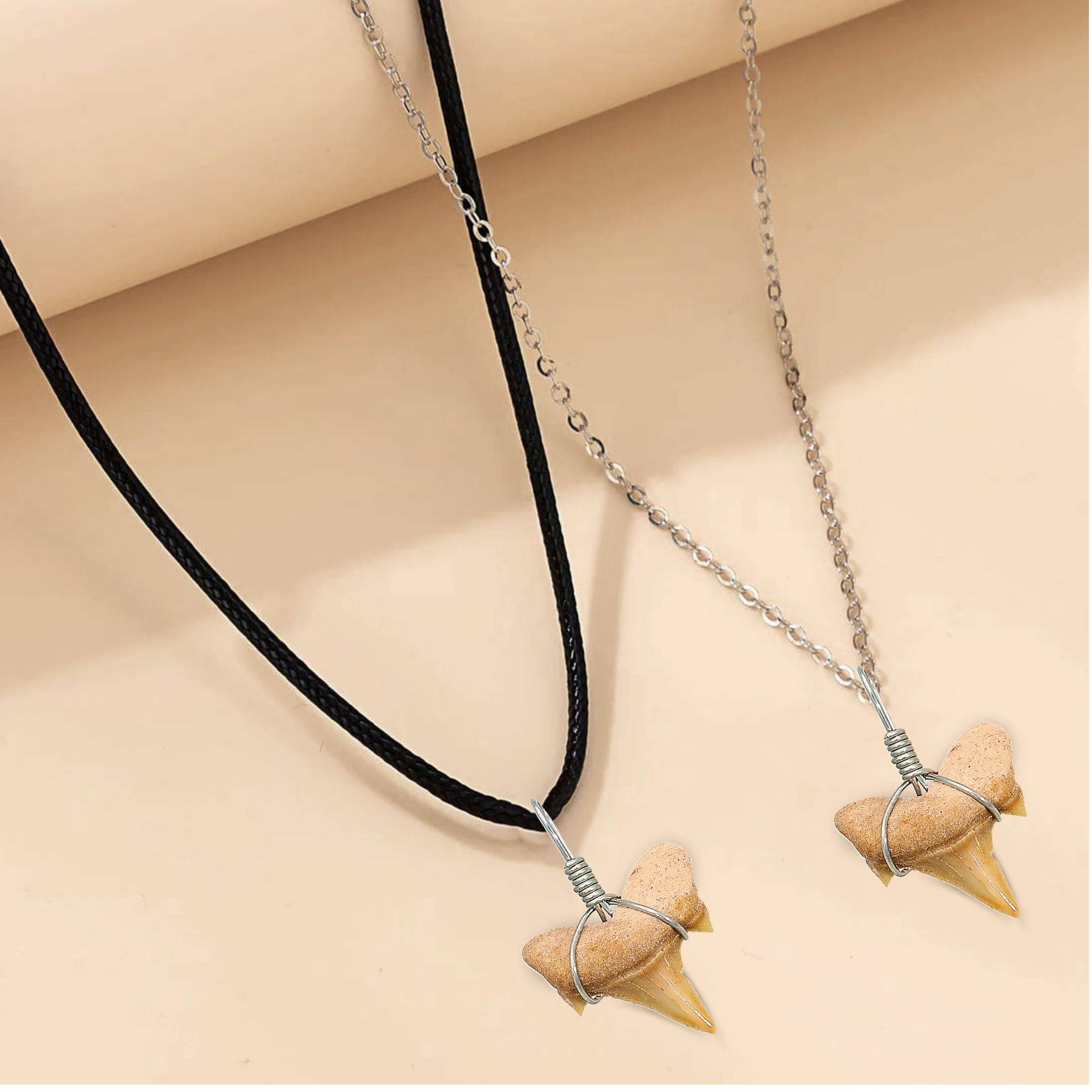 Shark teeth, with their sharp edges and intriguing
history, can be used in a variety of ways. Many people enjoy incorporating them
into jewelry, creating unique and striking pieces such as necklaces, bracelets,
and earrings. These jewelry items not only showcase the natural beauty of shark
teeth but also carry a sense of adventure and connection to the ocean.
Additionally, shark teeth can be used in decorative arts and crafts projects,
adding a touch of marine-inspired flair to items like keychains, ornaments, and
picture frames. Fossil collectors often hunt for shark teeth as prized
specimens, whether along beaches or in fossil-rich sedimentary rock formations,
enjoying the thrill of discovery and the opportunity to connect with ancient
marine life. Furthermore, shark teeth serve as valuable educational tools,
helping to teach about shark biology, ecology, and evolution in classrooms,
museums, and workshops. Their scientific importance extends to research
laboratories, where they provide insights into shark diets, behavior, and
evolutionary history. Whether as adornments, collectibles, educational aids, or
scientific specimens, shark teeth captivate our imagination and offer a
tangible link to the fascinating world of these ocean predators.
Shark teeth, with their sharp edges and intriguing
history, can be used in a variety of ways. Many people enjoy incorporating them
into jewelry, creating unique and striking pieces such as necklaces, bracelets,
and earrings. These jewelry items not only showcase the natural beauty of shark
teeth but also carry a sense of adventure and connection to the ocean.
Additionally, shark teeth can be used in decorative arts and crafts projects,
adding a touch of marine-inspired flair to items like keychains, ornaments, and
picture frames. Fossil collectors often hunt for shark teeth as prized
specimens, whether along beaches or in fossil-rich sedimentary rock formations,
enjoying the thrill of discovery and the opportunity to connect with ancient
marine life. Furthermore, shark teeth serve as valuable educational tools,
helping to teach about shark biology, ecology, and evolution in classrooms,
museums, and workshops. Their scientific importance extends to research
laboratories, where they provide insights into shark diets, behavior, and
evolutionary history. Whether as adornments, collectibles, educational aids, or
scientific specimens, shark teeth captivate our imagination and offer a
tangible link to the fascinating world of these ocean predators.
What Does a Shark Tooth Meaning?
1. Symbol of Strength: Shark teeth are often regarded as symbols of strength and power due to their association with one of the ocean's apex predators, the shark.
2. Protection: In some cultures, shark teeth are believed to possess protective qualities, serving as talismans or charms to ward off negative energy or evil spirits.
3. Spirituality: Shark teeth may hold spiritual significance in certain cultures, symbolizing connection to the sea, nature, or ancient beliefs and traditions.
4. Bravery and Prowess: Historically, shark teeth have been associated with bravery and prowess in societies where shark hunting was practiced, symbolizing courage and skill.
5. Natural Engineering: From a scientific perspective, shark teeth symbolize the remarkable adaptations and evolutionary success of these marine predators, showcasing nature's ingenuity.
6. Connection to the Ocean: Finding a shark tooth can evoke feelings of connection to the ocean and its inhabitants, sparking curiosity and appreciation for marine life.
7. Adventure and Exploration: Shark teeth may symbolize adventure, exploration, and the thrill of discovery, particularly for fossil collectors and beachcombers.
8. Mystery and Wonder: The unique shape and history of shark teeth can inspire a sense of mystery and wonder, inviting contemplation of the natural world and its secrets.
How to Care the Shark Tooth?
 Caring
for shark teeth is important to maintain their appearance and integrity over
time. One key aspect of caring for shark teeth is to handle them gently, as
they can be fragile. When cleaning shark teeth, it's best to use a
soft-bristled brush and mild soap or detergent, avoiding harsh chemicals that
could damage the enamel. Rinse them thoroughly with clean water after cleaning
to remove any residue. Store shark teeth in a dry, cool place away from direct
sunlight to prevent discoloration or deterioration. Avoid exposing them to
extreme temperatures or humidity, as this can cause them to degrade. If
displaying shark teeth as decorations or jewelry, periodically check for any
signs of damage or wear and make repairs as needed. By following these simple care
tips, you can ensure that your shark teeth remain in good condition for years
to come.
Caring
for shark teeth is important to maintain their appearance and integrity over
time. One key aspect of caring for shark teeth is to handle them gently, as
they can be fragile. When cleaning shark teeth, it's best to use a
soft-bristled brush and mild soap or detergent, avoiding harsh chemicals that
could damage the enamel. Rinse them thoroughly with clean water after cleaning
to remove any residue. Store shark teeth in a dry, cool place away from direct
sunlight to prevent discoloration or deterioration. Avoid exposing them to
extreme temperatures or humidity, as this can cause them to degrade. If
displaying shark teeth as decorations or jewelry, periodically check for any
signs of damage or wear and make repairs as needed. By following these simple care
tips, you can ensure that your shark teeth remain in good condition for years
to come.
Final Thoughts
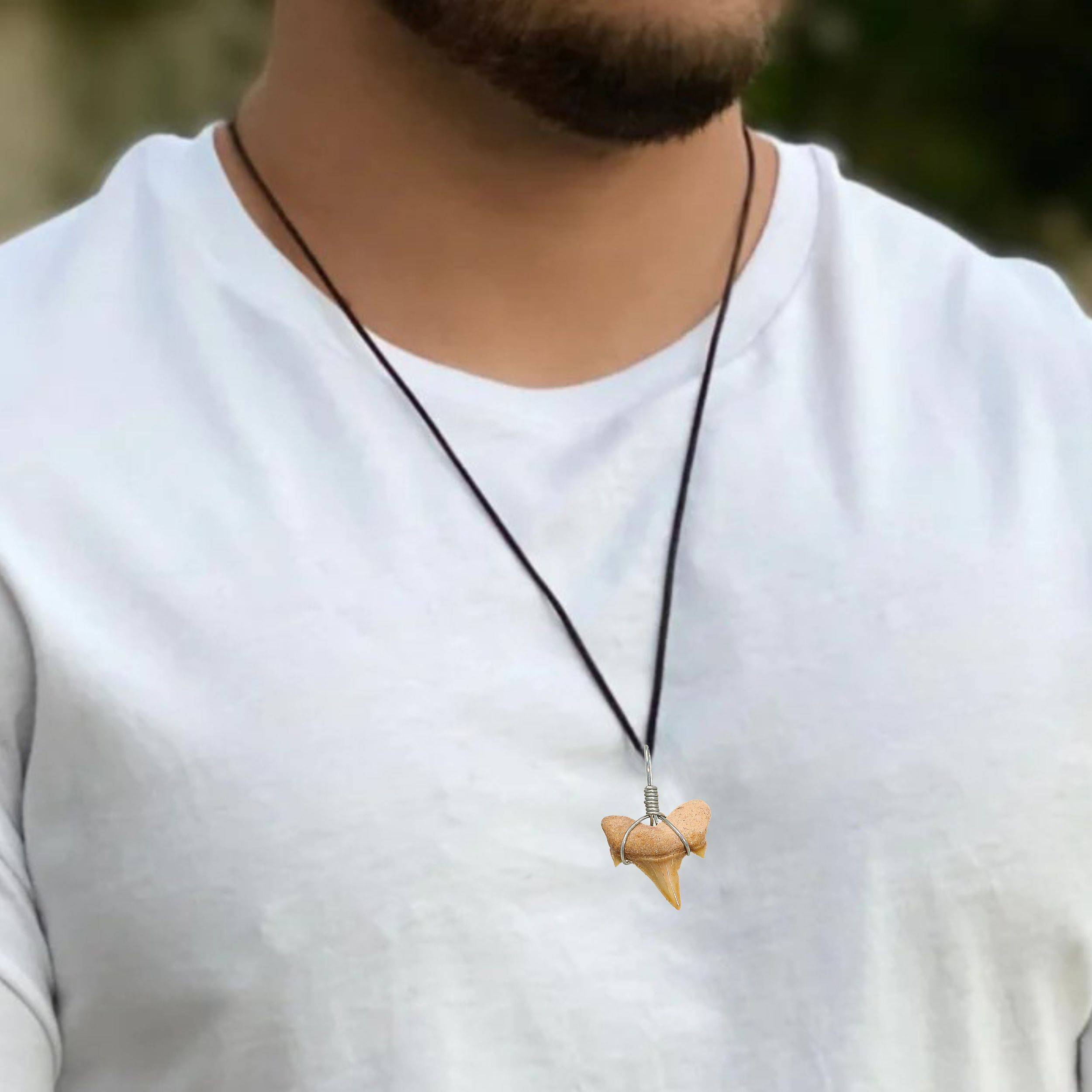 Shark
teeth, beyond their aesthetic allure and historical significance, offer a
myriad of benefits that extend across various domains. From a scientific
standpoint, they serve as invaluable tools for researchers, unlocking insights
into the ecology, behavior, and evolutionary history of sharks. Their study
aids in conservation efforts aimed at protecting these vital apex predators and
the delicate marine ecosystems they inhabit. Moreover, shark teeth hold
educational value, engaging students and enthusiasts alike in the wonders of
marine biology and paleontology. As collectibles, they foster a sense of
connection to the natural world and provide avenues for exploration and
discovery. In cultural contexts, shark teeth symbolize strength, protection,
and spiritual significance, enriching traditions and beliefs across diverse
communities. Thus, while each tooth is a testament to the ancient mysteries of
the ocean, it also serves as a beacon of knowledge, inspiration, and
conservation in our modern world.
Shark
teeth, beyond their aesthetic allure and historical significance, offer a
myriad of benefits that extend across various domains. From a scientific
standpoint, they serve as invaluable tools for researchers, unlocking insights
into the ecology, behavior, and evolutionary history of sharks. Their study
aids in conservation efforts aimed at protecting these vital apex predators and
the delicate marine ecosystems they inhabit. Moreover, shark teeth hold
educational value, engaging students and enthusiasts alike in the wonders of
marine biology and paleontology. As collectibles, they foster a sense of
connection to the natural world and provide avenues for exploration and
discovery. In cultural contexts, shark teeth symbolize strength, protection,
and spiritual significance, enriching traditions and beliefs across diverse
communities. Thus, while each tooth is a testament to the ancient mysteries of
the ocean, it also serves as a beacon of knowledge, inspiration, and
conservation in our modern world.
"Shark teeth are ancient symbols of strength and protection, often used in jewelry and collectibles. They connect wearers to the ocean's power and natural history, making them meaningful and unique keepsakes."